═══════════════════════════════════════════
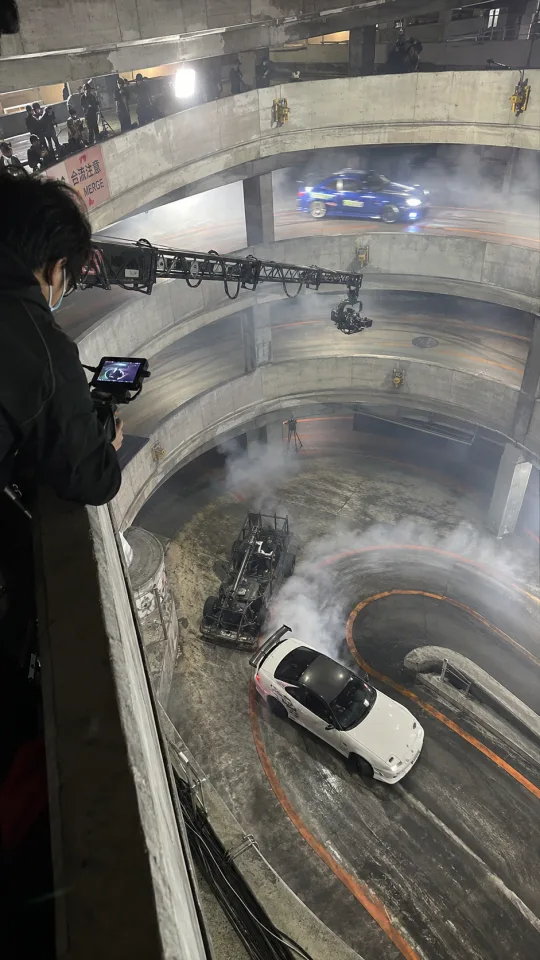
BILD 1 — BTS OVERVIEW VON OBEN  (ChatGPT)
═══════════════════════════════════════════
Create a vertical 9:16 ultra-photorealistic image that looks like a viral behind-the-scenes smartphone capture from a major street-racing film production.

Show a dramatic high-angle overview looking down into a large multi-level concrete spiral parking garage in Japan.

The scene is clearly behind the scenes:
- a large black camera crane extends across the frame
- several crew members in dark production clothing stand on the upper levels
- bright practical film lights shine through drifting tire smoke
- cables, rigging, rails and equipment are visible
- a crew member in the left foreground leans over the railing with a small monitor
- the framing feels accidental, handheld and authentic

Action:
A white Japanese drift coupe with a black roof and a large rear wing is drifting around the lower spiral ramp, producing realistic tire smoke.
Directly behind it is a black open-frame camera chase buggy with a mounted cinema camera rig, following the drift car closely.
Further up the spiral ramp, one or two additional drift cars are visible in the haze, including a blue car with headlights on.

Environment:
raw concrete, industrial parking garage, layered spiral ramps, moody practical smoke, wet-looking worn asphalt, orange lane markings, realistic grime and texture.

Lighting:
practical movie-set lighting only, bright lamps, realistic highlight clipping, smoky atmosphere, no stylized color grade.

Camera:
vertical smartphone photo, elevated overhead viewpoint, slightly wide lens, subtle handheld tilt, realistic phone sharpness and compression.

Important:
The image must feel like leaked BTS footage from a huge Tokyo drift movie shoot, not a polished commercial image.


═══════════════════════════════════════════
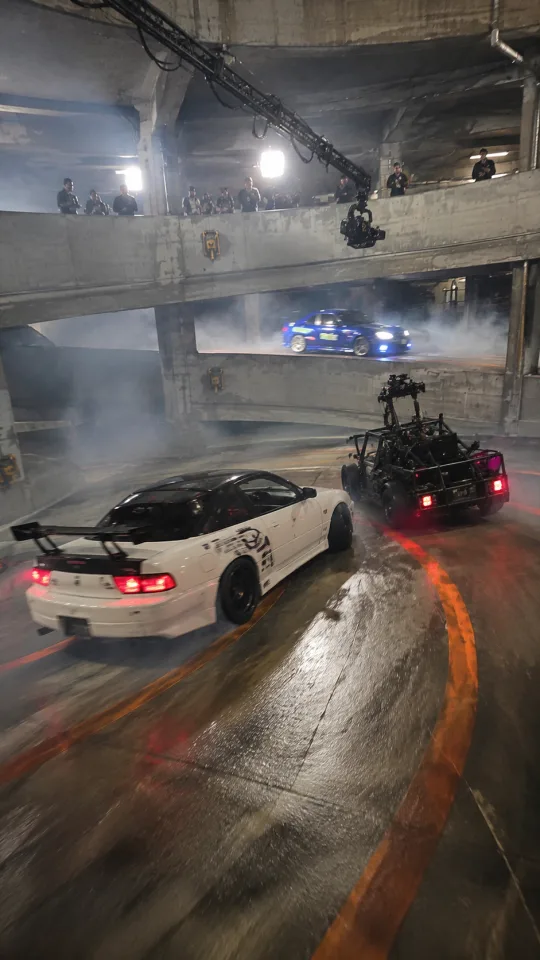
BILD 2 — DIVE-IN, KAMERA FÄHRT IN DIE RAMPE  (ChatGPT)
═══════════════════════════════════════════
Create a vertical 9:16 ultra-photorealistic image continuing directly from the previous behind-the-scenes parking garage drift shot.

The camera has moved lower and farther into the spiral ramp, as if the viewer is diving into the action from the upper overview.

Preserve the same location, the same concrete spiral parking garage in Japan, the same white drift coupe with black roof and large rear wing, the same black camera chase buggy, the same smoke, lighting and production atmosphere.

Composition:
- the viewpoint is now much closer to the drifting action
- the camera is descending into the spiral
- the white drift car is now larger in frame
- the black camera chase buggy is clearly visible following closely
- some of the behind-the-scenes elements are still visible: a crane arm above, a few crew members on upper levels, practical production lights, smoke, cables and rigging
- the image should feel like the camera is moving from "observer" into "participant"

Action:
The white drift car is sliding around the curve with aggressive angle and glowing taillights.
The black camera buggy is chasing directly behind it.
A blue drift car is visible farther up the spiral through smoke and light haze.

Style:
gritty, intense, realistic tire smoke, raw concrete textures, practical set lighting, authentic movie-production chaos.

Camera:
vertical 9:16 smartphone capture, slightly lower angle than the first shot, still handheld and imperfect, but more immersive and more dynamic.

Important:
This image should act as the transition between an overhead BTS shot and a close chase shot.


═══════════════════════════════════════════
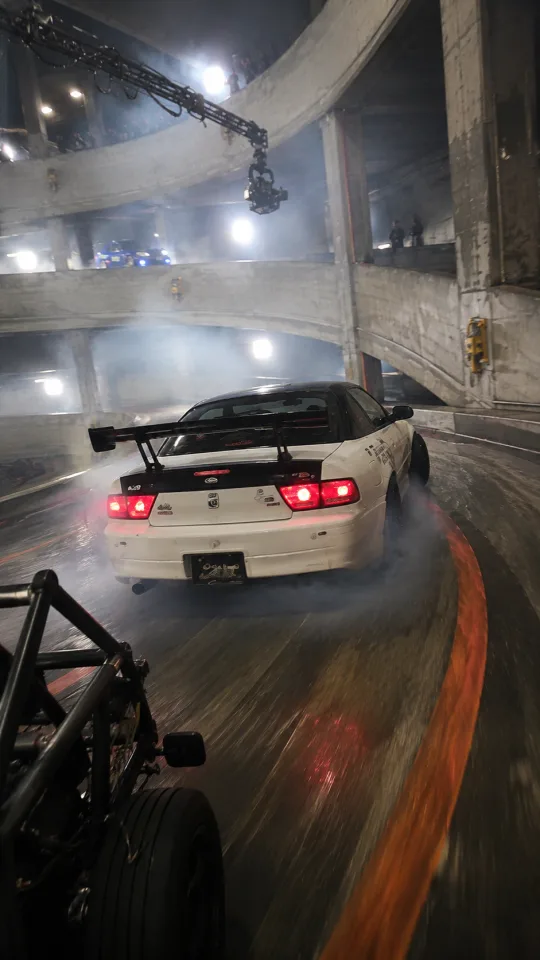
BILD 3 — LOCK-ON SHOT DIREKT HINTER DEM AUTO  (ChatGPT)
═══════════════════════════════════════════
Create a vertical 9:16 ultra-photorealistic image continuing directly from the previous parking garage drift sequence.

The camera is now locked in close behind the main white drift car, entering a much more immersive chase perspective while still retaining subtle behind-the-scenes realism.

Preserve:
- the same Japanese spiral parking garage
- the same white drift coupe with black roof and large rear wing
- the same black camera chase buggy and cinema-rig shooting environment
- the same gritty practical movie-production atmosphere

Composition:
- the camera is now low and close behind the drifting white car
- the rear of the white car dominates the frame
- the curve of the concrete ramp sweeps dramatically around the image
- the camera chase buggy is either just behind or partially visible at the edge of frame as if the viewer is almost on or near the filming vehicle
- behind-the-scenes details are now less dominant but still present: a crane arm high above, occasional crew silhouettes on upper levels, bright production lights in the haze

Action:
The white drift car is in a full committed drift, tires smoking heavily, rear sliding outward, with intense motion and energy.
The camera feels as if it is now following the car inside the scene.
A blue drift car may still be visible in the distance on an upper level, but secondary.

Look and mood:
high-budget street-racing movie set, tactile realism, tire smoke, practical lighting beams through haze, raw industrial concrete.

Camera:
vertical 9:16, low chase perspective, immersive, energetic, realistic smartphone / on-set capture feeling, slightly motion-heavy, subtle blur from movement.

Important:
This should feel like the exact moment the BTS camera has entered the action and is now chasing the hero car.


═══════════════════════════════════════════
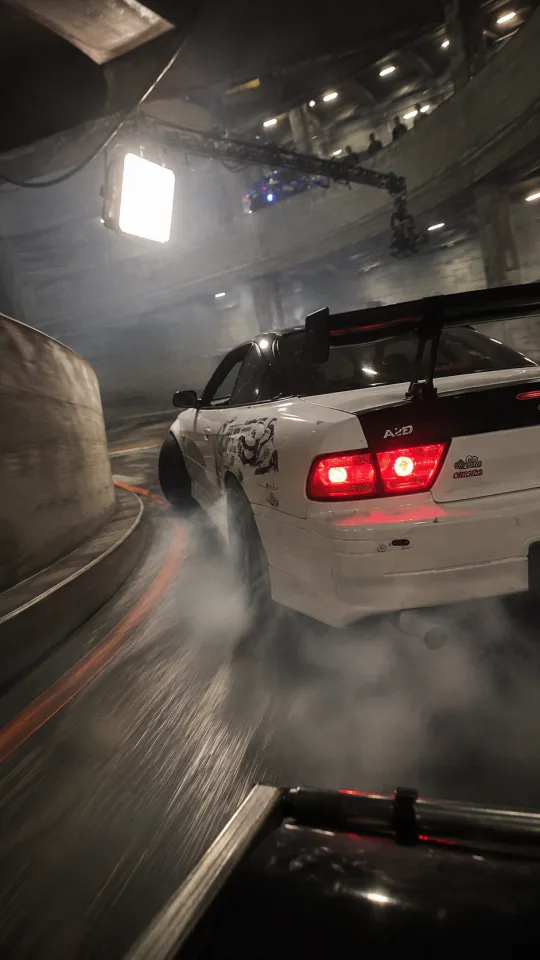
BILD 4 — FULL CHASE DRIFT SHOT, MAXIMAL HEFTIG  (ChatGPT)
═══════════════════════════════════════════
Create a vertical 9:16 ultra-photorealistic image continuing directly from the previous parking garage drift chase shot.

The camera is now fully inside the action in a highly dynamic close follow shot behind the same white Japanese drift coupe with black roof and large rear wing.

Preserve:
- the same spiral concrete parking garage in Japan
- the same hero drift car
- the same realistic film-production environment
- the same gritty smoke, lighting and drift atmosphere

Composition:
- extremely dynamic low chase angle
- camera very close behind the white drift car
- the car is mid-drift around a tight spiral corner
- thick tire smoke fills the lower part of the frame
- concrete walls rush past very close
- strong feeling of speed and danger
- only subtle BTS traces remain, such as a suspended production light, a glimpse of rigging, a distant crane arm, or a crew silhouette on an upper level, so it still feels rooted in a behind-the-scenes movie shoot

Action:
The white drift car is at maximum drift angle with dense smoke and visible tire scrub.
The shot feels like a camera car or mounted cinema rig is chasing just meters behind the car.
This is the most intense frame in the sequence.

Lighting:
harsh practical set lights, realistic haze, mild highlight clipping, no overly stylized color grading.

Camera:
vertical 9:16, aggressive close chase shot, kinetic energy, subtle motion blur, realistic smartphone or on-set capture feeling rather than a polished car commercial.

Important:
This frame should feel like the climax of the move from "watching a movie set from above" to "being directly inside the drift chase."


═══════════════════════════════════════════
CLIP 1 — BILD 1 als Startframe, BILD 2 als Endframe  (Flow, Frames to Video)
═══════════════════════════════════════════
One single continuous camera move. No cuts.

Start exactly from the high-angle behind-the-scenes smartphone viewpoint shown in the first frame.

The drift cars are already moving naturally around the spiral parking garage while the film crew, camera crane and production equipment remain visible.

The camera then physically moves forward over the railing and rapidly but smoothly descends into the spiral parking garage, following the direction of the drifting white car.

This must feel like one impossible but continuous FPV-style camera move from an observer's behind-the-scenes position into the live stunt.

As the camera descends, the crew, crane and production equipment naturally pass upward and out of frame due only to the camera movement.

The white drift car becomes progressively larger as the camera approaches it.

Maintain the exact parking garage geometry, exact cars, exact lighting and exact direction of travel from the reference frames.

The cars continue drifting naturally throughout the entire move.
Realistic wheel rotation, suspension movement and tire smoke.

Strong forward camera momentum with realistic acceleration and parallax.

Do not stop the camera.
Do not keep the original elevated viewpoint.
Do not simply zoom.
The camera must physically travel through three-dimensional space toward the car.

No cuts.
No teleportation.
No morphing.
No new vehicles.
No changing car design.
No architecture changes.
No camera orbit.
No slow cinematic dolly.


═══════════════════════════════════════════
CLIP 2 — BILD 2 als Startframe, BILD 3 als Endframe  (Flow, Frames to Video)
═══════════════════════════════════════════
Continue the exact same uninterrupted camera movement from the previous shot.

No cut.

The camera is already descending into the spiral parking garage and now rapidly closes the distance to the same white drifting car.

The camera follows the curved trajectory of the ramp while smoothly lowering toward road level.

During the move, transition naturally from the elevated behind-the-scenes perspective into a fast low chase-camera position directly behind the white drift car.

The white car continues one continuous controlled drift around the concrete spiral.

The camera progressively aligns with the rear center of the car and locks onto its trajectory.

Strong realistic three-dimensional parallax:
concrete barriers rush past,
upper parking levels move rapidly through the background,
production lights sweep across the lens,
tire smoke passes through the camera path.

The camera itself is moving through the environment.
Do not create a digital zoom.

Preserve the exact white car, black roof, rear wing, wheels, garage architecture, lighting and direction of movement.

Realistic drift physics.
Realistic rotating wheels.
Natural suspension movement.
Dense tire smoke.

One continuous shot.
No cuts.
No teleportation.
No morphing.
No vehicle redesign.
No sudden camera repositioning.


═══════════════════════════════════════════
CLIP 3 — BILD 3 als Startframe, BILD 4 als Endframe  (Flow, Frames to Video)
═══════════════════════════════════════════
One continuous high-speed chase shot.

The camera is now fully locked behind the same white drift car and follows it aggressively through the spiral parking garage.

The car maintains a powerful controlled drift around the tight concrete curve.

The camera stays approximately 2–4 meters behind the rear of the vehicle while matching its speed and trajectory.

The camera follows the rear of the car through the drift rather than remaining stationary.

Strong sensation of speed:
concrete barriers rush past extremely close,
lights streak naturally across the bodywork,
dense tire smoke rolls backward and briefly passes across the lens,
the wheels spin rapidly,
the rear suspension reacts naturally to the drift.

Use subtle realistic chase-camera vibration and inertia but keep the hero car readable.

The camera should feel physically mounted to an extremely fast pursuit rig flying directly behind the drifting vehicle.

Preserve the exact car identity and parking garage.

No additional cars entering frame.
No vehicle deformation.
No wheel deformation.
No impossible sideways camera movement.
No cuts.
No slow motion.
No teleporting.
No morphing.

Fast, dangerous, visceral, photorealistic live-action stunt footage.